Waste Recycling Services | Environmental Business Review APAC

Waste Recycling Services

Waste recycling services help businesses and communities collect, sort, process and repurpose recyclable materials. With a focus on material recovery, compliance support, environmental responsibility and operational efficiency, they support reduced landfill use and more sustainable waste management.

Green360 Partners: The Operating Line Asset Managers Overlook
Green360 Partners
The Operating Line Asset Managers Overlook
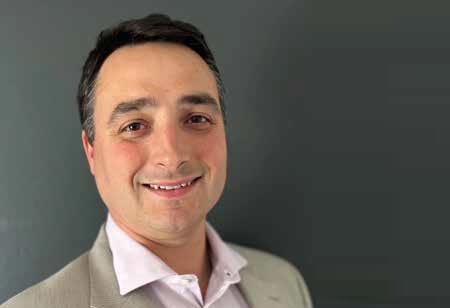
Patrick Truninger, National Director - Strategic Accounts
For most asset owners and property managers, the priority list runs in a familiar order: fill the vacant space, drive foot traffic, protect the guest experience. Waste gets handled in the background. The invoice gets paid. Nobody asks questions. That assumption is costing most properties more than they realize.

Driving Change: Environmental Regulations and the Future of Waste Recycling

Environmental regulations are reshaping the global waste-recycling industry by pushing businesses and municipalities toward cleaner, more accountable disposal systems. Governments are no longer viewing recycling as a secondary environmental effort. It has become part of broader sustainability frameworks that influence manufacturing, logistics, packaging and industrial operations. Recycling providers are adapting quickly to meet stricter standards while also responding to rising expectations from consumers and investors.

Turning Waste and Recycling Into a Managed Cost Discipline

Commercial waste and recycling services sit in an odd place on the expense ledger. They get paid monthly, they affect tenants and visitors, yet few property teams have the time or background to examine them closely. For executives selecting waste recycling services, the buying decision is less about hauling and more about control. That means knowing who reads the data, understands site conditions and keeps routine service from becoming a quiet source of avoidable cost.

Real Estates Role in Decarbonization: A System Approach
JLL
Real Estates Role in Decarbonization: A System Approach
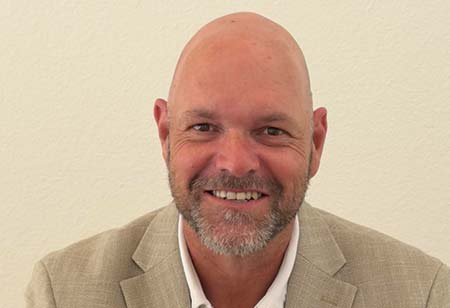
Peter Killeen, Senior Sustainable Operations Manager

Peter Killeen is currently an Energy and Sustainability manager at JLL working with a large financial institution. As part of the Sustainable Operations team, he works to identify performance optimization opportunities promoting energy efficiency, water conservation, waste reduction, and decarbonization. With a focus on client strategies and goals, Peter develops methods for standardizing sustainability programs and initiatives across the entire client portfolio.

Waste Recycling Services Info

Q1
What Do Waste Recycling Services Providers Do for Organizations and Municipal Programs?
Waste recycling services providers collect, sort, process and route recyclable material from businesses, institutions and local programs. Top Waste Recycling Services also help identify waste streams that should not go to landfill, such as paper, cardboard, plastics, metals, organics or electronics. The work often includes bin planning, pickup schedules, contamination checks, reporting and coordination with downstream processors, so recycling does not become another disconnected task for facility teams.
Q2
What Is Usually Included in Commercial Waste Recycling Services?
Commercial waste recycling services usually cover site assessments, material separation plans, container placement, scheduled hauling, recycling documentation and staff guidance. Top Waste Recycling Services may also support audits that show where materials are being lost, mixed or over-handled. A warehouse, office campus or food facility may need different routes, bins and pickup timing, so the service has to fit the site rather than force a standard pickup model onto every location.
Q3
Why Is Demand Growing for Waste Recycling Services?
Demand is driven by strict disposal requirements for organizations, increasing landfill costs and customer desire for sustainability, as well as reporting evidence of positive environmental impact. Top Waste Recycling Services streamlines many fragmented recycling operations to bring them into one tracked process. Many facilities already generate recoverable material; the challenge is sorting it correctly, keeping contamination low and proving where it goes after collection. That need is especially clear when waste data supports ESG reporting, municipal targets or procurement requirements.
Q4
How Are Top Waste Recycling Services Selected?
Top Waste Recycling Services are selected by looking at service coverage, material handling capability, compliance knowledge, reporting quality and how well they work with a customer’s daily waste flow. Decision-makers should review a real waste profile, not just a generic proposal. Ask how the provider would handle a missed pickup, mixed plastics or a load rejected for contamination. The answer should show a practical process, not only a list of accepted materials.
Q5
How Do Recycling Programs Create Value for Facilities and Communities?
Good recycling programs reduce disposal volume, improve material recovery and make sustainability reporting less dependent on guesswork. Top Waste Recycling Services can lower avoidable hauling, landfill and rework costs when sorting plans are clear. A poorly placed bin or unclear label can create extra labor and rejected material, so practical design matters as much as collection frequency. Communities also benefit when recyclable streams move into proper processing channels instead of shrinking landfill capacity.
Q6
What Role Do Technology and Expertise Play in Modern Recycling Services?
Technology enables the recycling team to monitor pick-ups, track diversion, note contamination and generate reports useful for the finance, facilities and sustainability teams. Top Waste Recycling Services merges that technology with the field expertise of the materials, behaviors at a site, and processor needs. This expertise is critical, as regulations may vary by material type, location or end market. A wrong assumption could result in recyclable loads being landfilled. Data also enables adjustments in training, container location and schedules.