
Thank you for Subscribing to Environmental Business Review Weekly Brief

National Grid
Yasharn Smith, Director, EHS and Operations Support
Developing Habits for Sustainable Safety
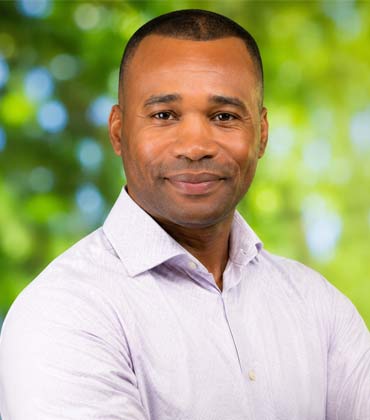
Yasharn Smith
Yasharn Smith serves as Director, EHS and Operations Support at National Grid, overseeing environmental, health and safety activities across the company’s electricity distribution business. His career has included leadership roles in safety risk and compliance, giving him experience in translating governance requirements into practices that can be applied by field teams. That background is particularly relevant at a time when electricity networks are expanding and the work itself is becoming more complex.
Safety Decisions Are Made in the Field Smith has consistently emphasized the importance of visible leadership and field engagement. His public commentary often returns to a simple point. Procedures alone do not prevent incidents. Safe outcomes depend on whether employees recognize risk and respond to it consistently. In his writings, Smith has always emphasized the significance of visual presence and hands-on involvement in the job. In most of his writings, he comes back to a very basic fact. No procedure ensures safety from accidents. Safety comes out of the realization of hazard by workers. That focus places attention on supervision, workforce behavior and the way information moves between leadership teams and frontline employees. It also reflects a practical reality of utility work. Safety systems are tested in substations, on roadside projects and during fault response, not in meeting rooms. Consistency Becomes Harder at Scale National Grid’s electricity distribution business serves nearly eight million customers across the Midlands, Southwest and Wales. A network of that size creates a coordination problem. Safety expectations need to remain consistent across different regions, contractors and work environments. Smith’s experience in risk and compliance has shaped his approach to that challenge. Governance frameworks matter only when they can be translated into repeatable actions in the field. That means focusing on accountability, training and the reinforcement of critical work practices. The pressure on utilities is also changing. Network investment, additional renewable connections and infrastructure upgrades are increasing the volume of work taking place across electricity networks. Every new project introduces different working conditions and different interfaces between teams. Safety leaders are expected to support that growth without allowing standards to drift. Workforce Resilience Has Become a Business Issue National Grid recently hosted the Energy Networks Association’s annual Safety, Health and Environment conference under the theme of building a resilient workforce. The topic reflects concerns that extend beyond compliance. Utilities across Europe face skills shortages and an aging workforce while also managing new infrastructure needs. Replacing experience is difficult, particularly in specialist field roles. Safety leaders increasingly need to think about workforce capability, employee wellbeing and knowledge transfer because each of these factors affects how work is carried out. Smith’s role lies at the crossroads of these problems. Leadership in the fields of environmental, health, and safety nowadays is not only about the prevention of incidents. The leaders must create the atmosphere that would help employees to make well-grounded decisions in any case, despite increasing loads and changes in working conditions. It implies that the safety is achieved through routine actions, not through campaigns. It is especially important for electricity networks that work on the basis of field execution and the construction of infrastructure.The articles from these contributors are based on their personal expertise and viewpoints, and do not necessarily reflect the opinions of their employers or affiliated organizations.
