Thank you for Subscribing to Environmental Business Review Weekly Brief

Great Day Improvements
Travis Schory, Director of Enterprise EHS
Building Safety Culture Through People, Not Policy
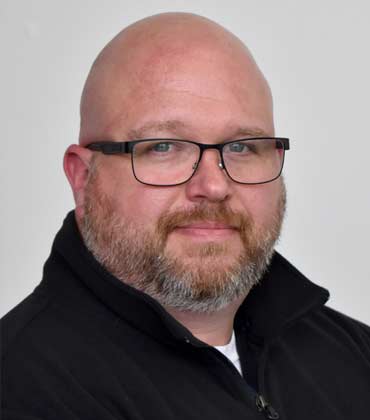
Travis Schory
Travis Schory is the Director of Enterprise EHS at Great Day Improvements, one of America’s fastest-growing home remodeling companies and parent to trusted brands including Champion, LeafGuard and Patio Enclosures. With his extensive experience, Schory has built a career on a conviction that unsettles much of his profession. Safety is not enforced; it is built. Across manufacturing floors, installation sites and corporate operations, he has rejected the old authority-driven model in favor of a culture where workers run toward safety. That philosophy, along with the measurable results that support it, has earned him recognition as the EHS Leader of the Year 2026.
The Lesson that Reshaped My Leadership I started under mentors who were more of the safety police type, not the culture-building type. I realized quickly that the approach was broken. You have to focus on people’s needs, include them and collaborate with those who do the work. Being a safety leader, you’re the expert on the safety side. But when you have people who have been doing a specific job in manufacturing or construction for a long time, they are subject-matter experts in what they do. Safety professionals can always look at something, see the flaws and see how it could be improved. We also need to ensure that what we’re doing does not impact the process or create an additional hazard. That’s where workers come in: explaining what they do and how they do it and, in collaboration with engineering, ensuring that our methods keep them safe and keep production going. What shaped me most is learning that the ego aspect that sometimes comes with safety must be checked. You have to be willing to hear the feedback and respond to it productively. Why People Must Come Before Policy Great Day Improvements is heavily people-focused. We are focused on how we treat our people and making sure they understand everything. It’s really building off the need to be there for them. We don’t say ‘we need to do this because OSHA says this.’ We say, ‘We need to do this because we need to ensure our people are safe, that they’re going home the same way they came in.’ Our focus is on providing the training, coaching and tools that allow safety to take shape. If you provide all that, compliance takes care of itself. Your trainings, your proper disposals, everything like that. That conviction shapes every structural decision we’ve made. We formed safety committees at the brand level, building teams across the organization who come together to discuss issues, near misses and concerns. They act as a liaison back to their people. We built a transitional work program to help people who get injured return in meaningful ways. The days of having someone come in and file paperwork are gone. Sometimes it’s just a slight restriction that keeps them from their regular duty, so we place them in another role that offers cross-training and allows them to learn a new skill. Our safety footwear program provides a voucher for our people to get safety shoes each year. Our weekly newsletter focuses on safety topics for work and home, including daylight saving time, weather and the Fourth of July cookout and fireworks safety. Healthy people across the board, not just at work, but at home. Closing the Gaps Data Reveals Looking at trends is a lot easier now. We record everything in our system and see where we have a trend in the wrong direction. We dig deeper and find the real root cause. During an injury investigation, we see the incident, but there might be a larger issue at hand that we’re not seeing globally. One of the biggest finds came from training records. We saw gaps and the root cause was language. We acquired the ability to have our training translated into the native tongue for our Spanish-speaking workers and others. We worked with interpreters for direct communication. By changing the way our people are trained, using a digital LMS with native-language options, we saw more positive interactions with those who needed them and a decline in injuries among that group. People could finally understand exactly what was needed of them to be safe. Data now, with all the AI and different systems out there, lets us get ahead of incidents instead of waiting until the end of the year to look at our OSHA 300 log and scratch our heads about why we missed the mark. Near-miss reporting happens in real time. Preventive maintenance inspections and gemba walks tell us whether doing the work correctly produces fewer issues. Training completion is all digital, so we correlate completion data to incidents in specific locations. If a site shows gaps, we go out there, have conversations and build culture where it might be lacking. Making Training Stick and Making the Cost Case Most organizations dump training on people in the first couple of days of onboarding and then it’s never discussed again. Training is just a tool in the toolbox of keeping people safe. It has to be talked about. It has to be revisited. I’ve partnered with our VP of learning and development, who brings a litany of experience and a focus on adult learners. We’ve tailored our training away from lecture style toward online quick-burst content, then we talk about it more. We get the meat and potatoes out first and as we grow through the year, we build on that foundation.Great Day Improvements is heavily people-focused. We are focused on how we treat our people and making sure they understand everything. It’s really building off the need to be there for them.
The articles from these contributors are based on their personal expertise and viewpoints, and do not necessarily reflect the opinions of their employers or affiliated organizations.
