Thank you for Subscribing to Environmental Business Review Weekly Brief

Phibro Animal Health Corporation
Paul G. Pena, Global Director of Environment
The Shift from Obligation to Advantage in Environmental Leadership
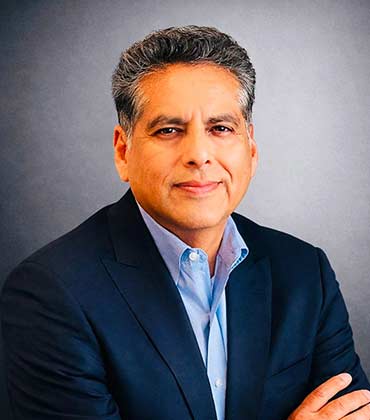
Paul G. Peña
Paul G. Peña brings extensive experience in environmental, health, and safety leadership within global manufacturing environments. With a background in regulatory compliance, operational risk management, and sustainability initiatives, he focuses on building structured systems that improve accountability and performance. His work emphasizes cross-functional collaboration, data-driven decision-making and continuous improvement across international operations.
From Compliance Execution to Risk Leadership I have spent much of my career understanding that environmental, health, and safety is not a parallel function to the business. It is the business. At Phibro Animal Health Corporation, that realization has shaped how I think, how I lead, and how I define progress across our global operations. Early in my career, my focus was precise and executiondriven. I worked to understand regulations, close compliance gaps, and ensure that facilities met their obligations. That phase was critical. It taught me discipline and reinforced the importance of consistency in protecting people and operations. But over time, as I moved into broader leadership roles, I began to see the limitations of a compliance-only mindset. Compliance is essential, but it is only the starting point. The real work begins when you move beyond reacting to requirements and start anticipating risk. That shift changed how I approached my role. Instead of asking whether we were compliant, I began asking whether we were prepared. Building Enterprise Visibility through Operational Excellence Baselines One of the most defining efforts in this evolution was establishing an operational excellence baseline across 24 facilities. At the outset, leadership believed environmental performance was being managed effectively. In many ways, it was. Sites were compliant, and teams were doing their jobs. But what we lacked was a unified view. s a unified view. When we began collecting and aligning data, we discovered that each facility tracked environmental metrics differently, using its own assumptions and methodologies. The issue was not intent—it was variability. Bringing that data together required a significant effort. We worked through utility records, aligned definitions, and created a centralized system that allowed us to view environmental performance across all sites. The outcome was more than just visibility. It gave leadership the ability to prioritize investments, strengthen operational excellence, and identify where standardization would create the greatest impact. Overcoming Resistance through Clarity and Trust What stood out most during this process was not the technical challenge, but the human one. Site-level teams were already managing their own compliance requirements and them, standardized reporting initially felt like an added burden. We addressed this by changing the narrative. We positioned standardized reporting as a tool for risk management and decision-making, not oversight. Over time, that approach built trust and improved engagement across sites. This experience reinforced something I now consider fundamental. Systems do not drive change. People do. Without clarity of purpose, even the most well-designed framework will struggle to succeed. Understanding the Real Nature of Operational Risk As I looked more closely at the potential for operational disruptions or risk across our global network, a pattern emerged. The most significant disruptions were rarely from catastrophic events but rather the result of small, disconnected issues— process changes, aging infrastructure, contractor activities, or evolving regulatory expectations. Historically, many systems were designed to address these issues at a local level. They were reactive and focused on compliance within each individual site. That approach created gaps in visibility and consistency. To address this, we built a global framework that standardizes how risk assessments are made, improves product safety governance, and connects environmental and safety data directly to operational decision-making.The real work begins when you move beyond reacting to requirements and start anticipating risk. That shift changed how I approached my role. Instead of asking whether we were compliant, I began asking whether we were prepared.
The articles from these contributors are based on their personal expertise and viewpoints, and do not necessarily reflect the opinions of their employers or affiliated organizations.
