Thank you for Subscribing to Environmental Business Review Weekly Brief

Mentor Technical Group Corporation
Idalia Luna, EHS Director
Turning Safety Leadership into Daily Practice
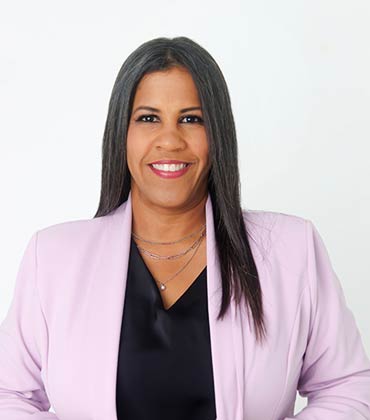
Idalia Luna
Idalia Luna, EHS Director at Mentor Technical Group, brings over two decades of experience advancing safety culture in highly regulated industries. Beginning her career as a field safety officer, she has evolved into a respected leader known for translating complex regulations into practical workplace practices, while strengthening compliance, workforce engagement and environmental stewardship across diverse technical teams.
From Field Experience to Leadership: Building a Strong Safety Culture One of the most important lessons I have learned in EHS is that safety culture does not start with policies—it starts with people. Our teams perform high-risk work every day, and spending time in the field helps leaders understand the realities employees face. That connection builds trust and keeps safety practices actionable and meaningful in daily operations. Leadership engagement plays a critical role in turning that understanding into action. When leaders remain visible and actively involved, safety becomes embedded in the organization’s daily mindset rather than confined to procedures or compliance documents. In highly regulated industries, leadership also bears the responsibility of ensuring that regulatory expectations are effectively translated into daily work practices. Compliance cannot remain confined to a system or a binder. Safety and environmental requirements only become effective when they are consistently reflected in the daily activities of the people performing the work. My focus has always been on interpreting complex regulations and translating them into clear, actionable guidance that teams can apply in their day-to-day responsibilities. That process often begins in the field, working closely with operators, engineers, and technicians to ensure requirements make sense within the realities of their work environment. When employees understand why a requirement exists and how it connects to their work, adhering to those standards becomes more natural and effective. Embedding Safety across Disciplines: Open Communication Matters Working with teams from diverse technical backgrounds means safety cannot be approached the same way everywhere. Engineers, technicians and operators interact with risk differently, making clear communication essential. I create space for people to share their knowledge, concerns, and field experiences. When employees feel heard, they are more willing to improve practices and strengthen safety performance. I also believe in recognizing progress. Celebrating wins, whether a process improvement or a lesson learned, helps people stay connected to the safety process rather than viewing it as an obligation. When people are engaged in that way, conversations about risk become far more meaningful. Employees begin identifying the risks exposures they face in their workplace and take a more active role in preventing injuries, illnesses and environmental impacts in their daily activities. Operational EHS Initiatives: A Practical Approach to Risk Prevention Our work supports a wide range of services, including EHS, integrated facility management (IFM), utilities, validation, calibration and metrology. With nearly 700 employees working across diverse projects and locations, safety initiatives must operate effectively across varied environments while maintaining consistent standards. At one biotechnology facility, sanitation work was carried out by a team of approximately 125 employees responsible for large-scale cleaning. The repetitive nature of these tasks increased the risk of ergonomic injuries. To address the risk, we introduced ergonomic exercises, hand-care practices and wellness activities designed to reduce physical strain. The program increased awareness and ultimately reduced ergonomic incidents to zero within that project. Hazard recognition remains a key focus across our projects. We train employees to identify potential hazards in their daily work so risks can be recognized earlier. Strengthening hazard awareness helps prevent incidents and supports a more consistent approach to safety across operations. We reinforce these efforts through broader safety initiatives aligned with agencies such as OSHA and the EPA. Our teams participate in OSHA’s Safe + Sound campaign, conduct earthquake drills, and support Safety Champion programs at client sites. Employees also take part in inspections, emergency response teams, and Gemba walks, strengthening accountability and safety awareness in the field. Strategic Evolution: Global Visibility and Data-Driven Prevention EHS strategy today looks very different from what it did in the past. Safety lessons are no longer confined to a single site. When an incident or improvement occurs in one location, that information is quickly communicated across other operations so similar risks can be prevented earlier. Greater visibility and communication across sites make it easier to share lessons learned and strengthen prevention efforts. Another significant shift is how technology is being integrated into safety programs. Digital tools and artificial intelligence enable organizations to analyze safety data more effectively, accelerate rootcause analysis, and identify potential risks earlier. Environmental sustainability has also become a stronger focus. As companies respond to climate challenges and long-term environmental responsibilities, these considerations are increasingly integrated into EHS programs. At the same time, safety conversations are increasingly expanding to include employee well-being. As new generations enter the workforce, organizations are placing greater emphasis on wellbeing, recognizing that physical safety, psychological health, and environmental responsibility are closely interconnected in creating a healthier workplace.I create space where people can share their knowledge, concerns, and field experiences. When employees feel heard, they become more willing to improve practices and strengthen safety performance.
The articles from these contributors are based on their personal expertise and viewpoints, and do not necessarily reflect the opinions of their employers or affiliated organizations.
