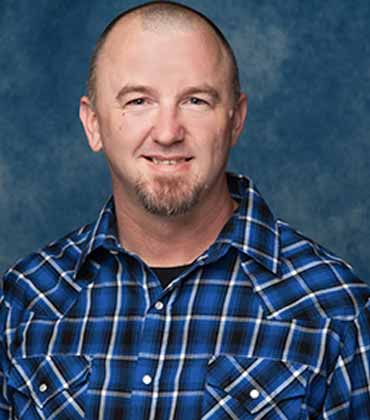
Blake Lawrence
A Leader Prioritizing Strong, Sustainable Safety Culture
My approach to leadership in environmental, health, and safety management has been shaped primarily by real-world field experience, working directly alongside crews, and seeing firsthand how quickly conditions can change. Being in the field has reinforced that safety is not just about policies, it’s about awareness, decision making and accountability in the moment.
One of the biggest influences has been observing both near-misses and “good catches.” Situations where crews paused work, reassessed conditions and prevented incidents have had a lasting impact on how I lead. These experiences emphasized the importance of empowering employees to speak up, trust their instincts, and take ownership of safety, regardless of their role.
I’ve also been shaped by working in environments where communication and trust made the difference between success and failure. Crews are far more engaged when leadership is visible, approachable and willing to listen. That’s driven me to focus on building relationships in the field, not just enforcing compliance from a distance.
Additionally, managing multiple teams and safety professionals has reinforced the need for consistency and clarity. Setting clear expectations, while allowing flexibility for field conditions, helps create a culture where safety is integrated into daily operations rather than treated as an afterthought.
Ultimately, my leadership approach is built on three principles:
• Be present – spend time in the field and understand the work
• Promote ownership – empower crews to make safe decisions
• Reinforce learning – treat every incident, near-miss and good catch as an opportunity to improve
These experiences have shaped me into a leader who prioritizes not just compliance, but a strong, sustainable safety culture.
The Challenges Organizations Cannot Afford to Ignore
The biggest safety challenges organizations face today stem from how quickly work environments are changing—often faster than safety programs can adapt. One of the primary challenges is complacency in routine tasks. As teams become more experienced, there’s a tendency to rely on habit instead of maintaining a high level of situational awareness, which is when many incidents occur.
Safety is not just about policies, it’s about awareness, decision making and accountability in the moment.
Another major challenge is workforce variability. With a mix of experienced workers, new hires, and sometimes contractors, organizations struggle to maintain consistent safety expectations. Newer employees may lack hazard recognition skills, while experienced workers may take shortcuts based on familiarity.
Communication and engagement are also ongoing challenges, especially across multiple crews or locations. It’s not enough to have policies in place—organizations must ensure that safety expectations are clearly understood, consistently reinforced and actively practiced in the field.
The rise of complex work environments, particularly in residential and utility settings, adds another layer of risk. Crews are dealing with:
• Congested underground utilities
• Changing site conditions
• Public exposure (homeowners, traffic, pets, etc.)
This requires a higher level of planning and real-time decision-making than ever before.
Additionally, there’s the challenge of balancing productivity with safety. Tight schedules and production pressures can unintentionally push crews to take risks if the culture doesn’t strongly support stopping work when something doesn’t look right.
Finally, adapting to new technologies and expectations, such as digital reporting, monitoring equipment, and evolving regulations can be difficult if organizations don’t provide proper training and support.
Building a Culture Where Safety Is Owned
Building a strong and proactive safety culture starts with making safety something people own, not something they feel is being enforced on them. I focus on creating an environment where doing the right thing is expected, supported and recognized.
First, I emphasize visible leadership and field presence. Spending time with crews, understanding their work, and having real conversations builds trust. When teams see that leadership is engaged—not just auditing—they’re more likely to buy in.
Second, I work to empower employees to speak up and act. That means reinforcing that anyone can stop work if something doesn’t look right, without fear of pushback. Encouraging “good catches” and recognizing those moments helps shift the mindset from reactive to proactive.
Third, I prioritize consistent communication and clear expectations. Safety messages need to be simple, relevant and tied directly to the work being performed. Whether it’s a tailboard, training, or a quick field conversation, the goal is to keep safety front of mind in a practical way.
I also focus on recognition and reinforcement. When crews make the right decisions, especially when it impacts production, it’s important to acknowledge it. That reinforces the behavior you want repeated across the organization.
Another key piece is learning culture. Instead of assigning blame, I encourage teams to learn from incidents, near-misses and successes. This helps build trust and drives continuous improvement.
Finally, I hold people accountable in a fair and consistent way. A strong culture requires both support and accountability—people need to know expectations matter.
The Future of Safe Workplaces
The future of workplace health and safety is being shaped by a shift toward proactive, data driven approaches. Organizations are relying more on leading indicators, analytics and real time monitoring to identify risks and prevent incidents before they occur.
Another key trend is the growth of connected technology, such as wearables and gas monitoring systems, which provide immediate insight into worker exposure and changing conditions in the field.
There is also an increased focus on mental health and fatigue management, recognizing that overall well-being directly impacts decision-making and safety performance.
In addition, changing workforce expectations are driving organizations to improve training, communication and engagement especially with newer employees who expect a stronger safety culture.
Finally, environmental factors like extreme weather and more complex job sites are introducing new risks that require better planning and adaptability.
Advice for the Next Generation EHS Professionals
My advice is to start in the field and stay connected to it. The best safety professionals understand the work because they’ve seen it, asked questions, and built relationships with crews. Credibility comes from knowing real-world conditions not just policies.
Focus on developing strong communication and leadership skills. Being effective in EHS isn’t just about knowing regulations; it’s about influencing people, gaining trust, and getting buy in at all levels of the organization.
I’d also encourage a mindset of continuous learning. Regulations, technology, and best practices are always evolving, so staying curious and adaptable is critical.
Equally important is learning how to balance compliance with practicality. You have to be able to apply standards in a way that works in the field, not just on paper.
Finally, be consistent and lead by example. Show up, be engaged, and do the right thing even when it’s not convenient people notice that.