Thank you for Subscribing to Environmental Business Review Weekly Brief
Environmental Business Review: Specials Magazine
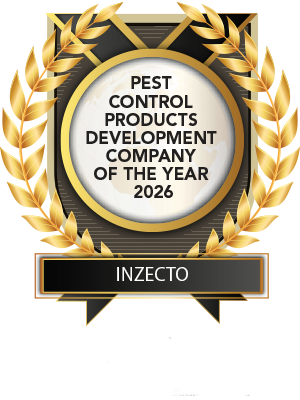
Why must modern pest control strategies adapt to insect behavior and environmental change Insects do not move randomly. They are guided by scent trails, humidity, shelter and breeding cues. INZECTO designs pest control systems around this biological reality. Its systems draw target insects into zones they choose to enter. This approach is increasingly relevant. Pest control operators and public pest control agencies are operating in a new reality shaped by global megatrends, including climate change, urbanization and the presence of invasive species that are colonizing new environments. Climate change is expanding insect habitats and prolonging their active seasons, while urbanization and the rise of invasive species are accelerating infestation rates. At the same time, pests are developing genetic resistance to conventional insecticides, even as regulatory frameworks continue to restrict their use to safeguard human health and vital ecosystems. With bigger problems and fewer tools available, new strategies are needed to protect people and safeguard the environment. INZECTO helps operators and agencies work effectively within these constraints by providing selective, biology-driven solutions that target only the intended pests while remaining safe for humans and the environment. “Our solutions use insect biology to control pests, limiting insecticide spread with no collateral damage,” says Enrico Paolo Levi, founder and CEO.
Data-Driven Waste Management Services
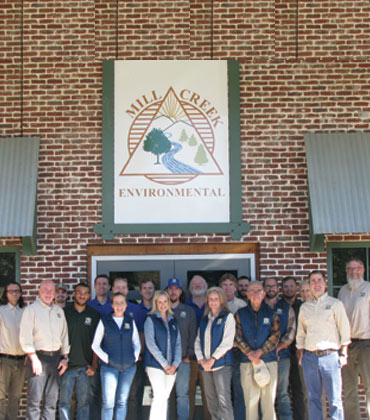
Mill Creek Environmental (MCE) is prompting superior resolution of environmental and economic concerns by staying committed to its clients and the ecosystem. A leader in environmental consulting, MCE has nearly three decades of industry presence. The company has become a trusted partner for homeowners, business owners and the government by instinctively championing environmentally friendly practices. Its ability to promptly respond and resolve environmental challenges has bred a list of loyal clients nationwide. “We’ve grown our business by focusing on the needs of each client regardless of how big or small their business or need is,” says Richard Fanning, President. MCE presents diverse offerings, from environmental site assessments and regulatory compliance issues to complex remediation solutions, all designed to maximize sustainability and meet tight schedules and budgets. Transparency is a central tenet at MCE, ensuring that clients are fully informed throughout every stage of the process. Unlike other environmental companies that might try to take advantage of uninformed customers and complex regulations, MCE emphasizes customer relationships and honest communications. A key to this is breaking down regulatory languages into layman’s terms and providing clear, actionable information. It meticulously outlines the program of operations through a detailed scope of work, whether the project is a short engagement or a long-term venture. Clients benefit from a clear roadmap to achieving and maintaining compliance, alleviating the anxiety that often accompanies regulatory obligations. This hands-on strategy and open communication establish trust-a cornerstone of MCE’s success. Customers know what to expect, both procedurally and financially, allowing them to move forward confidently. By emphasizing education as much as implementation, organizations are never left in the dark, whether it involves project details or understanding why certain regulations are necessary.
Environmental Consultant

For most businesses, waste management rarely reaches the top of the strategic agenda. Yet, day-to-day operations can become an invisible drain on resources, time, and money. A retail store manager might find herself dealing with overflowing containers and upset customers, unsure if a missed pickup was ever scheduled or completed. A facilities director may spend hours reconciling invoices filled with charges that cannot be verified. Sustainability officers, meanwhile, often scramble to compile diversion reports only to find that the necessary data is scattered across multiple vendors. These frustrations may seem mundane, but they are recurring pain points that affect thousands of companies across the U.S. Waste Harmonics Keter recognizes that waste should not be an afterthought or an operational burden. Instead, it should be a streamlined function with clarity, accountability, and measurable outcomes. The company has created a model that delivers scalable, reliable solutions by combining nationwide coverage with a localized, customer-first approach and layering on advanced technology. For clients, the result is predictability, cost efficiency, and sustainability support, backed by a team committed to proactive partnership. “Customer centricity is what we do every day,” explains Stephen Mohan, chief commercial officer of Waste Harmonics Keter. “Clients value consistency, scalability, and reliability, and we’ve built our model around those needs. That is how we deliver real trust.” Offering Unified Reporting Platform The waste industry has long suffered from a lack of visibility and accountability. Mohan notes that one of the most common frustrations businesses face is not knowing whether they have been serviced. This creates uncertainty, especially when containers overflow or clients are left second-guessing if a vendor has fulfilled obligations. Invoicing is another widespread source of pain, with charges often difficult to verify and disputes consuming valuable time. Sustainability, too, becomes a struggle in such an environment. Without reliable data and integrated reporting, companies cannot track diversion goals or demonstrate compliance with internal or regulatory requirements. Instead of waste management supporting their operations, businesses often find themselves dragged into it, managing inefficiencies that take focus away from core priorities.
CXO INSIGHTS

Networked Perspectives and Modern Methods in Pest Control
Joe Daugherty, Pest Control Manager, Westgate Resorts

Embedding Environmental, Health, and Safety as a Culture, Not Compliance
Raymond Saucedo, Environment, Health, and Safety Manager, AbiMar Foods, Inc
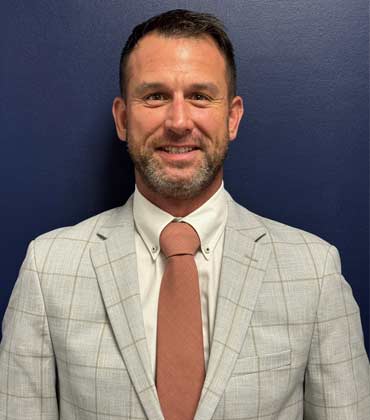
Building a Culture of Safety in Manufacturing
Richard Foist, Environment, Health and Safety Manager, Ox Industries

Rethinking EHS Leadership: Lead the System, Protect the Person
Shayla Gardner Parker, Environmental, Health and Safety Manager, Bush Hog

Why RCRA Compliance is the Manufacturing EHS Manager's Blind Spot
Noah Barrow, Environmental Health and Safety Manager, KYB Americas Corporation


IN FOCUS
Emerging Trends in Pest Control: A Focus on Efficacy and Environmental Responsibility
Urbanization, climate change, regulatory pressure, and biotechnology advancements drive innovation, sustainability, and expanding applications in pest control product development.
Eco-Friendly Innovations in Pest Management: Protecting Crops and Ecosystems
Pest control developers create eco-friendly solutions using biological ingredients, biodegradable formulations and smart delivery systems to manage pests while protecting ecosystems.
EDITORIAL
Redefining Environmental Accountability
Redefining Environmental Accountability
Environmental responsibility is rapidly moving from a regulatory obligation to a strategic business priority. This edition of Environmental Business Review examines how organizations are addressing complex environmental pressures through science-driven innovation, operational discipline and leadership that integrate sustainability directly into decision-making.
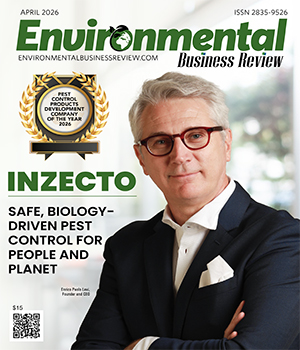
Our cover story features INZECTO, recognized as the Pest Control Products Development Company of the Year 2026. The company has redefined modern pest control by designing solutions around insect behavior rather than relying on broad-spectrum chemical spraying. Its biology-driven systems guide pests into contained treatment zones, limiting insecticide spread while maintaining high efficacy and safety for humans, wildlife and ecosystems. Developed in collaboration with the University of Florida’s Department of Entomology and tested under demanding operational conditions, INZECTO’s microporous polymer platform delivers controlled, long-term pest management with minimal environmental exposure. By targeting multiple stages of insect life cycles and prioritizing contained treatment strategies, the company demonstrates how precise, science-based design can address rising insect threats while supporting environmental protection.
This issue also features insights from industry leaders confronting environmental and operational realities in the field. Joe Daugherty, Pest Control Manager at Westgate Resorts, discusses how climate shifts and emerging insect species are reshaping pest management practices. He emphasizes continuous learning, collaboration with academic research and adaptive strategies that balance effective pest control with environmental safety.
Complementing this perspective, Jeremy Martin, Environmental Health and Safety Manager at SignResource, explores how environmental performance has evolved into a governance-level priority. He argues that organizations achieve greater resilience when environmental strategy is embedded in capital planning, operational systems and enterprise risk management rather than treated as a reactive compliance exercise.
Together, these perspectives highlight a clear direction for the industry: environmental stewardship and operational performance must advance together. We invite readers to explore the insights in this issue and engage with the strategies shaping the next generation of responsible environmental leadership.
