Thank you for Subscribing to Environmental Business Review Weekly Brief


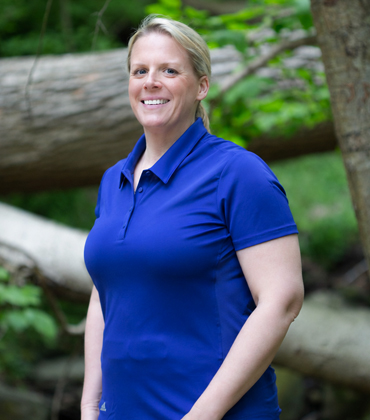 Jillian Olsen, Founder and President
Every development project starts with a plan. As that plan takes shape, however, environmental questions can quickly influence what happens next. Is there a wetland on the property? Will a stream crossing require additional permitting? What can legally be built, and how can the project move forward without compromising the natural resources around it? The answers can affect schedules, budgets, engineering decisions, and ultimately whether a project proceeds as planned.
Those are the questions Cherry Ridge Consulting deals with every day. Founded by wetland scientist Jillian Olsen, the Pennsylvania-based environmental consulting firm works with developers, engineers, municipalities, businesses, and landowners to navigate complex permitting requirements before they become costly roadblocks.
“We're wetland and environmental scientists; we love the outdoors,” says Olsen.
For Olsen, permitting is only one part of the engagement. Her broader role is helping clients understand a site's environmental conditions early, evaluate realistic options and make informed decisions before environmental issues become costly delays.
That problem-solving approach is rooted in the experience of Olsen. She has spent her entire career in environmental consulting. Before establishing Cherry Ridge in 2018, she worked for larger corporations, building expertise in wetland science and water resources, particularly cold-water and headwater streams in the Northeast. As her career progressed, however, her responsibilities shifted increasingly toward staff management and senior project management, taking her further from the hands-on science, direct client interaction, and project problem-solving she valued most.
That hands-on consulting became the foundation for Cherry Ridge’s operating model. Instead of simply identifying environmental constraints, the company works with clients to understand how those conditions affect a project and what options remain available within the regulatory framework. Its expertise spans wetland consulting, environmental permitting, water resources, and bottled water regulatory compliance, but the common thread is helping clients make informed decisions and move projects forward responsibly.
That client-focused approach has also earned industry recognition, including being named Environmental Consulting Services of the Year 2026.
By remaining intentionally small, Cherry Ridge preserves the direct involvement Olsen set out to restore when she founded the company. The firm's size also allows it to be selective about the projects and clients it takes on, choosing to work with organizations that share its commitment to responsible environmental stewardship and value collaborative problem-solving. Today, the team includes a full-time project scientist and a returning intern, allowing the company to combine specialized technical expertise with responsive communication throughout each engagement.
Finding Workable Solutions within Environmental Constraints
Olsen's expertise in wetlands and water resources also positioned Cherry Ridge Consulting to serve the bottled water industry, where many spring sources are closely connected to sensitive environmental systems. The firm's work helps clients evaluate source viability, understand environmental conditions, and navigate the regulatory requirements that shape new water source development and long-term resource management. As federal, state, and local regulations continue to evolve, that guidance has become increasingly important for projects involving significant, long-term investments.
Cherry Ridge closely monitors proposed and potential regulatory changes through continuing education, industry newsletters, professional resources and updates from legislators and regulatory agencies. Because wetland permitting projects can take years to move from planning to approval, the firm helps clients understand how evolving requirements could affect project scope, permitting strategies or timelines as early as possible.
-
We're wetland and environmental scientists; we love the outdoors.
The firm approaches permitting as a collaborative problem-solving process rather than a regulatory exercise. Working closely with clients, engineers, and regulatory agencies, the firm looks for practical solutions that satisfy environmental requirements while supporting project goals. That often means finding opportunities within existing regulations, such as incorporating natural site features into project designs, so clients can maximize site use without compromising environmental protection.
“What could have been perceived as a problem area on the site can become part of the solution," says Olsen.
Cherry Ridge maintains open communication among clients, engineers and regulators throughout the permitting process because early conversations often clarify what is permissible, what additional information is needed and how projects can continue moving forward. As Olsen tells clients, the worst a regulator can say is no, and asking questions can reveal options that might otherwise remain unexplored.
That collaborative mindset is evident in one of Cherry Ridge's current projects. During a residential development project in Pennsylvania, regulators requested additional information about a historic canal crossing the site. Determining whether the canal still functioned as a stream or had transitioned into wetlands would affect the permitting requirements for an emergency access road. Cherry Ridge coordinated additional field surveys with the engineering team and maintained communication with regulators to determine what information was needed so the permitting process could continue without unnecessary delay.
Building Trust Through Responsiveness
That same responsiveness extends beyond individual projects and shapes the company's client relationships. Cherry Ridge makes every effort to return calls within one business day, even when a complete answer requires additional research. Sometimes, simply acknowledging that a question has been received can make a meaningful difference to a client navigating a time-sensitive issue.
That responsiveness has helped Cherry Ridge win projects even when its fees were higher than competing firms'. Olsen also takes time to walk clients—particularly residential property owners unfamiliar with environmental regulations—through the permitting process, explaining why a project may or may not make sense. In some cases, she advises prospective clients not to proceed when the likely regulatory outcome or financial investment does not justify the risk. In bottled-water development, for example, a spring source may lack the quality or quantity needed to support a multimillion-dollar investment that could take decades to recover. Providing that assessment early helps clients avoid committing significant resources to projects unlikely to succeed.
Olsen also wants clients to feel comfortable reaching out when something has gone wrong, including after receiving a regulatory violation or realizing a mistake has been made. Rather than assigning blame, Cherry Ridge focuses on understanding the issue, identifying practical solutions and guiding clients through the corrective process. That approach reflects Olsen's belief that clients should never hesitate to ask for help when challenges arise.
Supporting that personal service is a growing set of technical capabilities. Cherry Ridge uses sub-meter-accuracy GNSS data collectors for wetland mapping together with ArcGIS for environmental mapping and reporting. Once a wetland delineation is complete, the firm provides shapefiles that surveyors upload directly to their equipment, helping them locate field markings and incorporate the information into broader site plans. Cherry Ridge has also invested in more accurate water-quality monitoring equipment to provide clients with reliable field data.
Looking ahead, Cherry Ridge plans to deepen its capacity in its strongest areas of expertise while exploring potential offerings in nature-based solutions, water stewardship, and environmental stewardship certification programs.
For Olsen, growth is not defined by becoming a larger consultancy but by deepening Cherry Ridge's technical expertise while preserving the direct relationships and hands-on involvement that distinguish the firm. As it expands its capabilities in nature-based solutions and environmental stewardship, Cherry Ridge intends to remain focused on helping clients make informed decisions, protect natural resources and move projects forward responsibly.
Environmental Decisions that Protect Project Viability
Wetland boundaries discovered after site design can force expensive revisions, while a missed permit condition can stop work after contractors have mobilized. Environmental consulting is often purchased to prevent those failures, yet the quality gap between firms becomes visible only when field findings begin to affect schedules and land use. Executives need more than a report. They need advice early enough to change a plan before sunk costs narrow the available choices.
Regulatory knowledge must be current at the level where a project is actually reviewed. Federal rules set part of the framework, but state programs and local interpretations often determine what can proceed. A consultant should track pending changes and understand how agencies apply them. It must also explain their effect on project scope before a submission is made. That work matters most on projects that develop over several years, where a rule change can alter a crossing design or extend the permit path.
Field accuracy carries equal weight. Wetland delineation and water resource assessment must produce data that engineers and surveyors can use without recreating the work. Sub-meter positioning, compatible mapping files, clear documentation and dependable field notes reduce handoff errors between environmental staff and design teams. Equipment alone is not enough. Buyers should examine how findings are checked and translated into site plans, then defended when an agency requests clarification.
Site planning adds another test. Environmental constraints rarely sit apart from grading plans, access routes or stormwater design. Discovering them early gives the broader project team room to compare alternatives before engineering effort is committed. Late discovery often produces rushed mitigation proposals, avoidable redesign fees or a permit application built around assumptions that no longer hold.
Practical judgment separates technical compliance from useful counsel. The strongest consultant does not treat every constraint as a reason to forfeit a site's development potential, nor does it force a preferred design through a narrow reading of the rules. It looks for permissible alternatives and tests them with regulators. It should also tell the client when the likely return does not justify further spending. That candor is especially important in water development and complex land projects, where investigation costs can rise long before approval is certain.
Responsiveness has financial consequences. Permit questions left unanswered can hold up engineers, delay revised drawings, create idle time and disrupt contractor sequencing. A consultant should acknowledge issues quickly even when a complete answer requires more fieldwork. Buyers should test who will return calls and attend agency discussions. They should also determine whether senior expertise remains involved once the contract is signed.
Cherry Ridge Consulting is a strong choice for organizations that need close technical attention across wetland work and environmental permitting. Its services include wetland identification, delineation, water resource evaluation and site assessments, along with permit compliance support. The firm uses sub-meter GPS equipment and ArcGIS files that can move directly into survey workflows. Its small-team model keeps experienced staff close to field findings and regulator discussions. For projects where early judgment and direct access matter more than a large delivery structure, Cherry Ridge merits serious consideration.
...Read more
Environmental Consulting Services Info
Q1
What Are Environmental Consulting Services?
Environmental Consulting Services help organizations understand environmental regulations, assess site conditions, identify potential risks and secure the permits needed to complete projects responsibly. These services commonly include environmental site assessments, wetland evaluations, regulatory compliance and permitting support. Addressing environmental requirements early helps reduce delays, improve project planning and give organizations the information they need to make confident decisions.
Q2
How Does Cherry Ridge Consulting Deliver Environmental Consulting Services?
Cherry Ridge Consulting delivers Environmental Consulting Services through a practical, hands-on approach focused on regulatory compliance and successful project execution. The firm specializes in wetland identification, delineation, permitting, environmental site assessments and regulatory guidance. Guided by its "Nurturing Nature" philosophy, it helps clients move projects forward while protecting sensitive natural resources. Cherry Ridge Consulting also intentionally maintains a small team, allowing it to provide personalized attention, responsive communication and carefully managed project workloads without compromising quality.
Q3
Why Are Environmental Consulting Services Important Before Land Development or Property Transactions?
Before construction, land acquisition or redevelopment begins, Environmental Consulting Services help identify environmental constraints that may affect project timelines or costs. Phase I and Phase II environmental site assessments, wetland delineation and permitting reviews and regulatory evaluations can uncover contamination concerns, protected resources or compliance obligations before work starts. Resolving these issues early reduces uncertainty, helps avoid costly redesigns and supports better investment decisions.
Q4
What Qualities Should Organizations Look for in Environmental Consulting Services?
Strong Environmental Consulting Services combine technical expertise with regulatory knowledge, accurate field investigations, timely communication and practical problem-solving. Organizations should look for consultants with a thorough understanding of regional environmental regulations, current knowledge of changing regulatory compliance requirements and a collaborative approach to working with project teams. These qualities help reduce project risks while supporting efficient permitting and long-term compliance.
Q5
How Does Cherry Ridge Consulting Help Clients Navigate Complex Environmental Regulations?
Cherry Ridge Consulting provides Environmental Consulting Services by helping clients navigate evolving federal, state and local environmental requirements. The firm conducts thorough background research before fieldwork, develops site-specific recommendations and collaborates with engineering and surveying partners when additional expertise is required. Its regional knowledge, close attention to regulatory changes and responsive communication help clients anticipate compliance issues before they become project delays.
Q6
How Do Environmental Consulting Services Support Sustainable Project Outcomes?
Environmental Consulting Services support sustainable development by balancing regulatory compliance with caring for the environment. Instead of seeing environmental rules as obstacles, these services help organizations find practical ways to protect natural resources and keep projects moving forward. This approach lowers permitting risks, leads to better project decisions, and helps balance development goals with long-term environmental protection.
